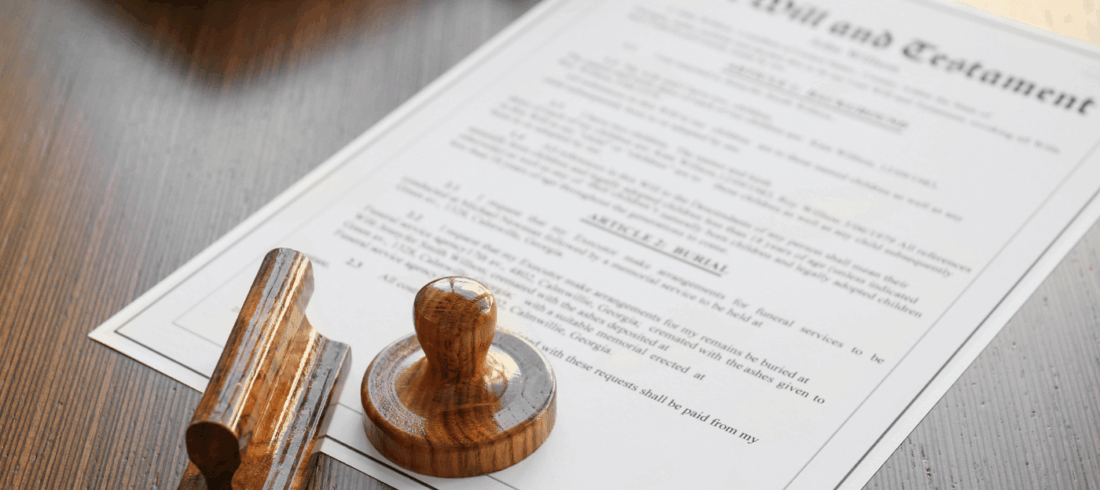

Paradigm Shift in Notarization in the Digital Age
The notarization paradigm in the digital age is fundamentally changing due to the Fourth Industrial Revolution and digital transformation. Previously dependent on paper documents and face-to-face authentication, the field is now undergoing an innovative transformation that simultaneously enhances accessibility, efficiency, and security of notarization by combining with electronic signatures, biometric authentication, blockchain, and artificial intelligence technologies. These changes go beyond simple technological improvements, playing important roles in reducing time and costs and preventing disputes and securing evidence across various fields including international trade, finance, real estate, and inheritance.
Korea’s Introduction and Current Status of Electronic Notarization
Korea established the legal foundation for electronic notarization through the enactment of the Electronic Signature Act in 2002 and the revision of the Notary Public Act in 2007. Currently, electronic notarization services linked to the Supreme Court’s Electronic Family Relations Registration System are operating, and online notarization applications using authorized electronic signatures are possible. However, the principle of face-to-face verification is still maintained, limiting the implementation of complete non-face-to-face electronic notarization. Furthermore, procedural improvements are required for international recognition connected to the Ministry of Foreign Affairs’ Apostille issuance. In the future, it is expected that a complete digital notarization ecosystem can be established through the introduction of blockchain-based notarization, digital ID integration, and remote identity verification technologies.
Innovation in Remote Online Notarization (RON) in the United States
In the United States, Remote Online Notarization (RON) has rapidly expanded following the COVID-19 pandemic. After Virginia first legislated RON in 2012, over 40 states now permit it, combining video conferencing technology with identity verification software to enable safe notarization even when notaries and signers are physically separated. Particularly, high levels of security are implemented using knowledge-based authentication and biometric recognition technologies, and some states are pilot-operating RON record storage systems combined with blockchain. Non-face-to-face notarization usage is expanding across various fields including real estate, finance, inheritance, and corporate M&A.
Blockchain Technology and the Future of Notarization
Blockchain technology has the potential to bring revolutionary changes to the notarization field. Distributed ledger technology can dramatically enhance the reliability of notarized documents as it is impossible to forge or alter records and all transaction records are transparently preserved. Representative examples include Estonia’s e-Residency program, Dubai’s blockchain-based notarization system, and Singapore’s digital ID-based notarization, which can enhance legal stability of cross-border digital notarization services and international transactions. When automated notarization linked to smart contracts and AI-based document verification functions are combined in the future, the effectiveness and universality of digital notarization are expected to be further strengthened.
Legal Challenges and Regulatory Response
New legal challenges are emerging with the expansion of electronic notarization. First, establishing mutual recognition systems between countries regarding the legal effectiveness of electronic signatures is necessary. Second, measures to strengthen personal information protection and cybersecurity are required. Third, there is the problem of regulatory lag where legal systems cannot keep up with the pace of technological development. To solve these challenges, technology-neutral legal system design and international cooperation are essential.
With the expansion of electronic notarization, legal challenges are also emerging. First, when mutual recognition systems for electronic signatures and electronic notarization between countries are absent, legal effectiveness may be limited in international transactions, necessitating international standardization reflecting ISO, UNCITRAL Model Law, Apostille Convention, etc. Second, protection of personal information and sensitive data processed during notarization is essential, requiring the introduction of advanced security technologies such as blockchain, zero-knowledge proof, and quantum cryptography, along with compliance with related regulations. Third, there exists the problem of regulatory lag where legal systems cannot keep up with the pace of technological development, requiring technology-neutral legal design and operation of empirical regulatory testbeds to solve this. Fourth, preventing forgery and alteration of digital documents, legal effectiveness of authentication, and securing international evidentiary value are important for ensuring the reliability and effectiveness of notarization.
Comprehensive Assessment and Future Challenges
Ultimately, electronic notarization and digital transformation are positioning themselves as core elements that determine the future of notarization systems and international competitiveness beyond simple technology adoption. The key challenge will be to simultaneously secure the safety and efficiency of notarization by harmoniously promoting technological innovation and legal system improvements in the future.


디지털 시대의 공증 패러다임 변화
디지털 시대의 공증 패러다임은 4차 산업혁명과 디지털 전환으로 인해 근본적으로 변화하고 있다. 기존에는 종이 문서와 대면 인증에 의존하던 방식이었으나, 전자서명, 생체인증, 블록체인, 인공지능 기술과 결합하면서 공증의 접근성, 효율성, 보안성을 동시에 향상시키는 혁신적 전환이 이루어지고 있다. 이러한 변화는 단순한 기술적 개선을 넘어 국제거래, 금융, 부동산, 상속 등 다양한 분야에서 시간과 비용을 절감하고 분쟁 예방과 증거 확보 측면에서 중요한 역할을 수행한다.
한국의 전자공증 도입과 현황
한국은 2002년 전자서명법 제정과 2007년 공증인법 개정을 통해 전자공증의 법적 기반을 마련하였다. 현재 대법원 전자가족관계등록시스템과 연계된 전자공증 서비스가 운영되고 있으며, 공인전자서명을 활용한 온라인 공증 신청이 가능하다. 그러나 여전히 대면 확인 원칙이 유지되고 있어 완전한 비대면 전자공증 구현에는 제한이 있다. 아울러 외교부 아포스티유 발급과 연결된 국제적 효력 인정에서도 절차상의 개선이 요구된다. 향후 블록체인 기반 공증, 디지털 ID 연계, 원격 본인 인증 기술 도입을 통해 완전한 디지털 공증 생태계 구축이 가능할 것으로 예상된다.
미국의 원격온라인공증(RON) 혁신
미국에서는 코로나19 팬데믹을 계기로 원격온라인공증(Remote Online Notarization, RON)이 급속히 확산되었다. 버지니아주가 2012년 최초로 RON을 법제화한 이후, 현재 40개 이상의 주에서 이를 허용하고 있으며, 비디오 회의 기술과 신원 확인 소프트웨어를 결합하여 공증인과 서명자가 물리적으로 떨어진 곳에서도 안전하게 공증할 수 있도록 하고 있다. 특히 지식 기반 인증과 생체 인식 기술을 활용하여 높은 수준의 보안을 구현하며, 일부 주에서는 블록체인과 결합한 RON 기록 저장 시스템도 시범 운영되고 있어 부동산, 금융, 상속, 기업 M&A 등 다양한 분야에서 비대면 공증 활용이 확산되고 있다.
블록체인 기술과 공증의 미래
블록체인 기술은 공증 분야에 혁명적 변화를 가져올 잠재력을 갖고 있다. 분산원장 기술은 위·변조가 불가능하고 모든 거래 기록이 투명하게 보존되므로 공증서의 신뢰성을 획기적으로 향상시킬 수 있다. 에스토니아의 e-Residency 프로그램, 두바이의 블록체인 기반 공증 시스템, 싱가포르의 디지털 ID 기반 공증 등이 대표적인 사례이며, 이를 통해 국경을 초월한 디지털 공증 서비스와 국제 거래의 법적 안정성을 높일 수 있다. 향후 스마트 계약과 연계된 자동 공증, AI 기반 서류 검증 기능이 결합될 경우 디지털 공증의 실효성과 범용성이 한층 강화될 것으로 전망된다.
법적 과제와 규제 대응
전자공증의 확산과 함께 새로운 법적 과제들이 부상하고 있다. 첫째, 전자서명의 법적 효력과 관련하여 국가 간 상호 인정 체계 구축이 필요하다. 둘째, 개인정보보호와 사이버보안 강화 방안이 요구된다. 셋째, 기술 발전 속도에 법제도가 따라가지 못하는 규제 지연(Regulatory Lag) 문제가 있다. 이러한 과제들을 해결하기 위해서는 기술 중립적 법제도 설계와 국제적 협력이 필수적이다.
전자공증의 확산과 함께 법적 과제도 부상하고 있다. 첫째, 전자서명과 전자공증의 국가 간 상호 인정 체계가 부재할 경우 국제거래에서 법적 효력이 제한될 수 있으므로 ISO, UNCITRAL 모델법, 아포스티유 협약 등을 반영한 국제적 표준화가 필요하다. 둘째, 공증 과정에서 처리되는 개인정보와 민감 데이터 보호가 필수적이며, 블록체인, 영지식증명, 양자암호화 등 첨단 보안 기술 도입과 관련 법규 준수가 요구된다. 셋째, 기술 발전 속도에 법제도가 따라가지 못하는 규제 지연(Regulatory Lag) 문제가 존재하며, 이를 해결하기 위해 기술 중립적 법제 설계와 실증적 규제 테스트베드 운영이 필요하다. 넷째, 디지털 문서의 위·변조 방지, 인증의 법적 효력, 국제적 증거력 확보 등이 공증의 신뢰성과 효력 확보를 위해 중요하다.
종합적 평가와 향후 과제
결국 전자공증과 디지털 전환은 단순한 기술 도입을 넘어 공증제도의 미래와 국제적 경쟁력을 결정짓는 핵심 요소로 자리잡고 있으며, 향후 기술 혁신과 법제도 개선을 조화롭게 추진함으로써 공증의 안전성과 효율성을 동시에 확보하는 것이 핵심 과제가 될 것이다.