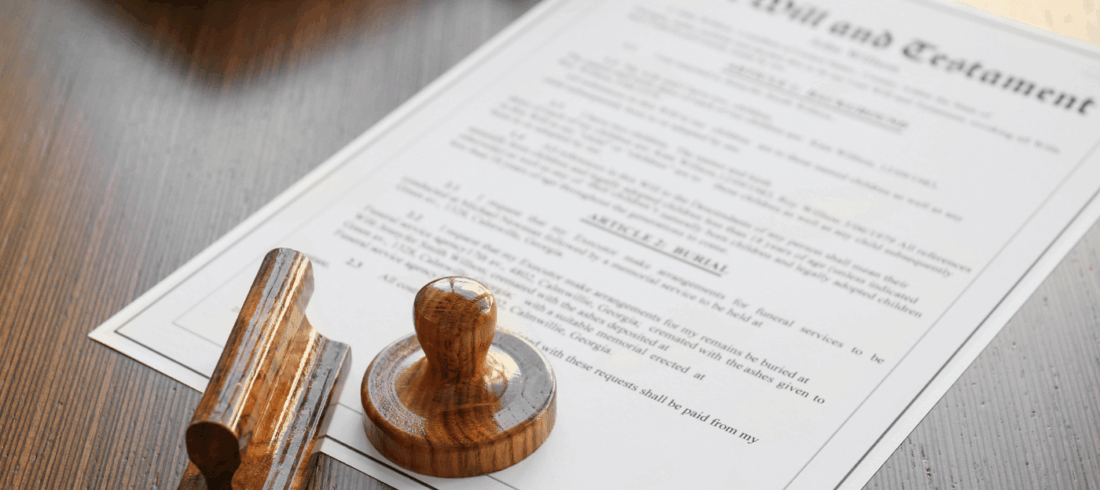

Notarization. This word might evoke the simple act of stamping a seal on legal documents. However, the Republic of Korea’s notary system extends far beyond mere document authentication—it serves as a hidden pillar of the nation, supporting the rule of law and trust. From the signatures of government offices during the Joseon Dynasty to electronic notarization in the digital age, how has this 600-year-old system sustained our society? And today, how is it evolving on the global stage amid digital innovation?
The Joseon Dynasty: The Beginning of Government-Guaranteed Trust
During the Joseon Dynasty, the word “notarization” did not exist. However, proving ownership of land, houses, and even slaves was already an important national function. The Ipan system, which continued from 1392, was a mechanism whereby individuals submitted contracts to government offices and received public trust through official signatures. This can be compared to having real estate transaction contracts notarized today.
During the port-opening period, the land certificate system emerged to prove foreign land ownership, and during the Korean Empire period, the house certificate system began in Hanseong-bu (Seoul) and spread to major cities to authenticate house ownership. In 1906, the certification system was introduced, giving certificates issued by government offices the same force as final court judgments. Forced execution was even possible based on these certificates. For 600 years, notarization remained entirely in the hands of government offices, serving as a public symbol of trust.
Japanese Colonial Period and Liberation: The First Modern Steps of Notarization
In 1912, under Japanese colonial rule, the Joseon Civil Ordinance was introduced, and court clerks took charge of notarial duties. The following year, the Joseon Notary Ordinance brought the German-style notary system, but there was not a single Korean notary. Notary offices existed in only four places: Gyeongseong (Seoul), Pyongyang, Daegu, and Busan. Notarization remained a privilege of the few.
After liberation in 1961, Korea’s own Notary Public Act was finally enacted, giving birth to an independent notary system. While the supervisory authority changed from courts to the prosecutor’s office, the shadow of government control remained strong. Notarization continued as a strict administrative procedure controlled by the state.
1970: Opening the Door to the Private Sector
1970 was a year that shook the foundations of the notary system. The Special Act on Civil Dispute Resolution through Simplified Procedures introduced notary-licensed joint law offices, transferring notarization from government to private sector. This change, which brought lawyers into notarial work and closer to the people, led to the democratization of notarization.
In 1982, law firm attorneys also entered the notarial field, establishing a “three-pillar system” consisting of appointed notaries, joint law offices, and law firms. In 1985, notary qualifications were strengthened and foreign language notation was permitted, opening the floodgates to internationalization. In 1994, notaries gained what was essentially lifetime tenure, providing stability.
However, the rapid increase in lawyers and notary offices led to fee competition, which undermined public trust. In 2003 and 2004, the government attempted to unify the notary system but failed. Paradoxically, this only increased the influence of notaries.
Digital Notarization: A Leap into the Future
In 2009, the notary system reached another turning point. The electronic notarization system was introduced, taking notarization into the digital world. The designated notary system and mandatory retirement age for notaries were revived, and membership in the Korea Notary Association became mandatory. A new structure emerged where government and private sector collaborated in operating notarization services.
In 2017, the video authentication system was introduced, opening the path for non-face-to-face notarization. This system, which began full operation in 2018, shined even brighter during the COVID-19 pandemic. Notarization is now evolving beyond paper and seals into a digital service that guarantees trust with just a few clicks.
Today’s Notarization: Balancing Trust and Efficiency
Currently, Korea’s notary system operates primarily through appointed notaries designated by the Minister of Justice and licensed notaries (law firms, etc.). This is a unique Korean system, different from state-by-state notarization in the United States or Germany’s independent notary system. Notarial duties are divided into notarial deed preparation (contracts, wills, etc.), private document authentication (verifying the authenticity of signed documents), and definite date assignment (proving document dates), each functioning as a powerful tool ensuring legal trust.
Notarization reduces disputes in real estate transactions, inheritance, and gifts while enhancing legal stability and reducing the judiciary’s burden. Particularly in an aging society, services such as will notarization and end-of-life medical directives are playing increasingly important roles. Economically, notarization serves as a hidden facilitator that lowers transaction costs and enhances social trust.
Challenges for the Future
In the digital age, the notary system faces new challenges. There is an urgent need for forgery prevention systems using blockchain technology, expansion of non-face-to-face notarization, and construction of preservation systems that integrate paper and electronic documents. On the global stage, mutual recognition systems among Apostille Convention member countries and multilingual notarial services are needed.
Conclusion: Opening the Future of Trust
Notarization, which began 600 years ago in Joseon government offices, remains a symbol of trust even in today’s digital world. In real estate contracts, wills, and international transactions, notarization makes our lives safer and more efficient. In the upcoming articles in this series, we will explore the American notary system, the Apostille Convention, and the future of electronic notarization, examining how notarization connects our lives with the global world. Notarization is not merely a procedure. It is a promise of trust and the key to a better future.


공증. 이 단어는 법률 문서에 도장을 찍는 단순한 행위를 떠올리게 할지 모른다. 하지만 대한민국의 공증제도는 단순한 서류 인증을 넘어, 법치주의와 신뢰를 지탱하는 국가의 숨은 기둥이다. 조선시대 관청의 서명부터 디지털 시대의 전자공증까지, 600년을 이어온 이 제도는 어떻게 우리 사회를 지탱해 왔을까? 그리고 오늘날, 글로벌 무대와 디지털 혁신 속에서 어떤 모습으로 진화하고 있을까?
조선시대: 관청이 보장한 신뢰의 시작
조선시대, 공증이라는 단어는 존재하지 않았다. 하지만 토지와 가옥, 심지어 노비의 소유권을 증명하는 일은 이미 국가의 중요한 역할이었다. 1392년부터 이어진 입안제도는 개인이 작성한 계약서를 관청에 제출하면 관리의 서명으로 공적 신뢰를 부여 받는 시스템이었다. 오늘날로 치면 부동산 매매계약서를 공증받는 것과 비슷하다고 볼 수 있다.
개항기에는 외국인의 토지 소유를 증명하는 지계제도가 등장했고, 대한제국 시기에는 가옥 소유권을 인증하는 가계제도가 한성부에서 시작되어 주요 도시로 퍼져 나갔다. 1906년에는 증명제도가 도입되며, 관청이 발급한 증명서가 법원의 확정판결과 같은 힘을 가졌다. 심지어 이를 근거로 강제집행까지 가능했다. 600년간 공증은 철저히 관청의 손에 맡겨진, 신뢰의 공적 상징이었다.
일제강점기와 광복: 공증의 근대적 첫걸음
1912년, 일제강점기 아래 조선민사령이 도입되면서 공증 업무는 재판소 서기가 맡았다. 이듬해 조선공증령으로 독일식 공증인제도가 들어왔지만, 한국인 공증인은 단 한 명도 없었다. 공증사무소는 경성, 평양, 대구, 부산 네 곳뿐. 공증은 여전히 소수의 특권이었다.
광복 후 1961년, 드디어 한국 고유의 공증인법이 제정되며 독립적인 공증제도가 태동했다. 감독 기관은 법원에서 검찰청으로 바뀌었지만, 여전히 관청의 그림자가 짙었다. 공증은 국가가 통제하는 엄격한 행정 절차로 남아 있었다.
1970년, 민간의 문이 열리다
1970년은 공증제도의 판을 뒤흔든 해였다. 간이절차에의한민사분쟁사건처리특례법으로 공증인가합동법률사무소가 도입되며, 공증이 관청에서 민간으로 넘어갔다. 변호사들이 공증 업무를 수행하며 국민과 더 가까워진 이 변화는 공증의 민주화를 이끌었다.
1982년에는 법무법인 변호사도 공증에 뛰어들며 임명공증인, 합동법률사무소, 법무법인으로 구성된 ‘삼원제도’가 자리 잡았다. 1985년에는 공증인 자격이 강화되고 외국어 병기가 허용되며 국제화의 물꼬를 텄다. 1994년에는 공증인이 사실상 종신직으로 안정성을 얻었다.
하지만 급증한 변호사와 공증사무소는 수수료 경쟁으로 이어졌고, 이는 국민 신뢰를 떨어뜨렸다. 2003년과 2004년, 정부는 공증인제도 일원화를 시도했지만 실패. 오히려 공증인의 영향력만 커지는 역설이 펼쳐졌다.
디지털 공증: 미래로의 도약
2009년, 공증제도는 또 한 번의 전환점을 맞았다. 전자공증제도가 도입되며 공증은 디지털 세상으로 발을 내디뎠다. 지정공증인제도와 공증인 정년제가 부활했고, 대한공증인협회 가입이 의무화되었다. 관과 민이 손잡고 공증을 운영하는 새로운 구조가 만들어진 것이다.
2017년에는 화상인증제도가 도입되며 비대면 공증의 길이 열렸다. 2018년 본격 시행된 이 제도는 코로나19 팬데믹을 거치며 더욱 빛을 발했다. 이제 공증은 종이와 도장을 넘어, 클릭 몇 번으로 신뢰를 보장하는 디지털 서비스로 거듭나고 있다.
오늘의 공증: 신뢰와 효율의 균형
현재 한국의 공증제도는 법무부장관이 임명하는 임명공증인과 인가공증인(법무법인 등) 중심으로 운영된다. 미국의 주별 공증이나 독일의 독립 공증인제도와는 다른, 한국만의 독특한 시스템이다. 공증 업무는 공정증서 작성(계약, 유언 등), 사서증서 인증(사인 문서의 진정성 확인), 확정일자 부여(문서 날짜 증명)로 나뉘며, 각각 법적 신뢰를 보장하는 강력한 도구로 기능한다.
공증은 부동산 거래, 상속, 증여에서 분쟁을 줄이고, 법적 안정성을 높이며, 사법부의 부담을 덜어준다. 특히 고령화 사회에서 유언공증이나 임종 시 의료지시 같은 서비스는 점점 더 중요한 역할을 하고 있다. 경제적으로도 공증은 거래비용을 낮추고 사회적 신뢰를 높이는 숨은 조력자다.
미래를 향한 과제
디지털 시대, 공증제도는 새로운 도전에 직면해 있다. 블록체인 기술을 활용한 위변조 방지 시스템, 비대면 공증 확대, 종이와 전자문서를 통합하는 보존 시스템 구축이 시급하다. 글로벌 무대에서도 아포스티유 협약 가입국 간 상호 인정 체계와 다국어 공증서비스가 필요하다.
맺음말: 신뢰의 미래를 열다
600년 전 조선의 관청에서 시작된 공증은 오늘날 디지털 세상에서도 여전히 신뢰의 상징이다. 부동산 계약, 유언, 국제거래에서 공증은 우리 삶을 더 안전하고 효율적으로 만든다. 앞으로 이 기고문 시리즈에서는 미국 공증제도, 아포스티유 협약, 전자공증의 미래를 탐구하며, 공증이 어떻게 우리의 삶과 글로벌 세상을 연결하는지 이야기할 것이다. 공증은 단순한 절차가 아니다. 그것은 신뢰의 약속, 그리고 더 나은 미래의 열쇠다.